
How Often Should You Power Wash Your NJ Home by Surface with Soft and Powerwash LLC Hackettstown NJ
- Marco Acevedo
- 4 hours ago
- 5 min read

New Jersey homes take a beating from every season. Spring pollen sticks to siding. Summer humidity feeds algae. Fall leaves stain decks and concrete. Winter salt and road grime settle on walkways, fences, and lower siding.
That is why cleaning the outside of a home is not a one-size-fits-all job. Some surfaces need attention every year. Others can go longer if they get good sun and drain well. The right schedule depends on the material, shade, traffic, and where the home sits in North Jersey.
For homeowners around Hackettstown, Long Valley, Mendham, Panther Valley, Allamuchy, and the Roxbury area, this surface-by-surface guide explains how often to clean siding, decks, driveways, and fences.

New Jersey weather makes exterior cleaning more than cosmetic
Northern New Jersey has the perfect mix for exterior buildup. Humid summers, shaded wooded lots, freeze-thaw cycles, and winter road salt all leave marks. Homes near trees often see green algae and mildew faster. Homes near busy roads collect soot and grime on siding, windowsills, and garage doors.
A regular exterior cleaning schedule helps protect curb appeal, but it also protects materials. Dirt holds moisture. Algae can make surfaces slippery. Organic buildup on wood can shorten the life of stain or sealant.
The goal is not to blast every surface with high pressure. The goal is to use the right cleaning method for the material. A soft wash is usually best for siding, while pressure washing can be useful for hard surfaces like concrete when handled correctly. A full house wash or exterior home wash should clean the surface without forcing water behind trim, vents, or siding panels.
How often to clean each exterior surface
Use this as a practical starting point. A shaded home near trees may need more frequent service. A sunny property with good airflow may need less.
Surface | Typical NJ cleaning schedule | What to watch for |
Vinyl or painted siding | Every 12 to 24 months | Green algae, black streaks, pollen film, spider webs |
Decks | Every 12 months, sometimes every 18 months | Slippery boards, mildew, leaf stains, faded finish |
Driveways and walkways | Every 12 to 24 months | Salt residue, tire marks, algae, rust stains |
Fences | Every 18 to 36 months | Gray wood, algae near the ground, mildew on shaded sections |
Patios and pavers | Every 12 to 24 months | Weed growth, sand loss, moss, dark staining |
These timelines are not hard rules. They are a maintenance rhythm. If a surface looks dirty, feels slick, or stays damp long after rain, it is ready.

Siding usually needs gentle washing every one to two years
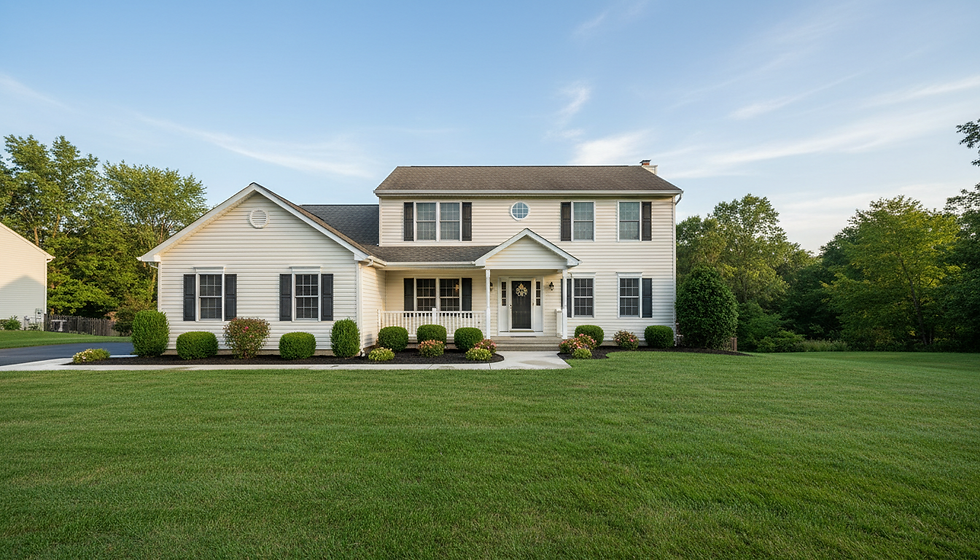
Vinyl siding is common across New Jersey because it holds up well, but it still attracts pollen, algae, mildew, and insect debris. North-facing walls and shaded sides usually get dirty first.
Most siding should be cleaned every 12 to 24 months. If the home sits under trees or near a damp area, yearly cleaning may make sense. If it gets full sun and plenty of airflow, every two years may be enough.
Siding should not be treated like concrete. Too much pressure can force water behind panels, damage trim, or leave streaks. Soft and Powerwash LLC in Hackettstown uses a gentler approach for siding so the cleaning solution does the work instead of relying on force.
Signs siding is ready for cleaning include:
Green or black growth on shaded walls
Yellow pollen film in spring
Dirt streaks below gutters or windows
Cobwebs and insect nests around trim
A dull look even after rain
A clean siding surface also makes the whole property feel better kept, especially before selling, painting trim, or hosting outdoor gatherings.
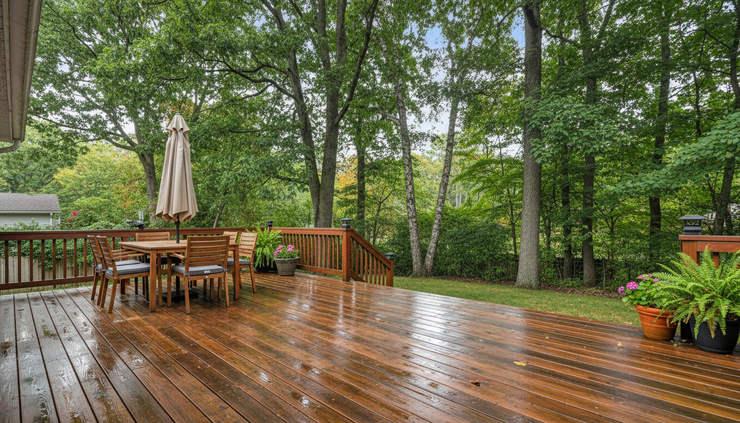
Decks need yearly attention because wood holds moisture
Decks work hard in New Jersey. They get sun, rain, leaves, snow, and foot traffic. Wood and composite boards can both grow mildew in shaded areas, especially around steps, railings, and under furniture.
Most decks should be cleaned about once a year. For a deck that stays dry and sunny, every 18 months may be fine. For a shaded deck in a wooded yard, yearly cleaning is the safer schedule.
Wood decks need care. High pressure can scar boards, raise the grain, or leave wand marks. Composite decking also needs the right technique because harsh cleaning can leave uneven patches.
A deck is ready for cleaning when it feels slick after rain, looks patchy, or has dark stains where leaves sat through fall. Cleaning before resealing or staining is also a must. Stain will not bond well to dirt, mildew, or old organic buildup.
Driveways and walkways can usually wait one to two years
Concrete, asphalt, pavers, and stone take on different stains. In New Jersey, winter salt is a major factor. Salt residue, slush, and road grime get tracked onto driveways and walkways for months.
Most hard surfaces benefit from cleaning every 12 to 24 months. Busy driveways, shaded walkways, and north-facing front steps may need yearly service. Concrete that gets full sun may go longer.
Watch for:
Black or green growth that gets slippery
Tire marks near the garage
Rust stains from metal furniture or tools
Salt haze after winter
Dark patches where water pools
Pavers need extra care because the joints matter. Cleaning too aggressively can remove joint sand or disturb loose areas. A professional can adjust the process based on whether the surface is concrete, asphalt, brick, or natural stone.
Fences can go longer, but shade changes everything
Fences are easy to ignore until they look gray, green, or blotchy. Vinyl fences often collect algae near the bottom where sprinkler spray and lawn moisture hit. Wood fences absorb moisture and can darken over time, especially behind shrubs or along property lines with poor airflow.
A good schedule for fences is every 18 to 36 months. Shaded vinyl fencing may need cleaning closer to every 18 months. Sunny sections can often wait longer.
Wood fencing should be cleaned gently. Too much force can splinter the surface. If the fence will be stained or sealed, cleaning first helps the finish absorb more evenly.
For vinyl, the main goal is removing algae, mildew, and surface grime without leaving streaks or forcing water into posts and caps.

The best time of year to schedule exterior washing in NJ
Spring and fall are the most popular times, and for good reason.
Spring removes pollen, winter grime, and salt residue. It also gets outdoor spaces ready for warmer weather. Fall cleaning clears leaf stains and organic buildup before winter moisture settles in.
Summer can also work well, especially for shaded homes where algae grows quickly. Winter is less predictable because freezing temperatures can make exterior washing unsafe or ineffective.
For many homes, the best plan is simple:
Clean siding every one to two years
Clean decks yearly
Clean driveways and walkways every one to two years
Clean fences every two to three years
Inspect shaded areas each spring
If the property has heavy tree cover, poor drainage, or lots of shade, tighten that schedule.
Soft and Powerwash LLC helps match the method to the surface
A clean exterior starts with knowing what each surface can handle. Siding, wood, concrete, pavers, and fencing all need different care. That is where a local company matters.
Soft and Powerwash LLC serves homeowners in and around Hackettstown and nearby North Jersey communities. The team understands the local climate, the algae patterns common on shaded lots, and the seasonal mess left behind by pollen, leaves, and winter salt.
If the home looks dull, the deck feels slippery, or the driveway still shows winter grime, it may be time to power wash the right surfaces with the right approach. A regular schedule keeps the home looking cared for and helps prevent buildup from becoming harder to remove later.


Comments